11 Roles Architects Perform (and what they actually mean)
Exacting, technical and creative – the role of an architect is both demanding and highly rewarding. Architects undertake many years of training even to practise, while intensive professional development takes place throughout a career.
Our role as architects is also multifaceted, and while we continue to develop specialist skills and deepen our knowledge, we also almost always wear more than one ‘hat’ on any given project. This versatility helps streamline and simplify processes, but it can occasionally lead to some confusion for our clients. What’s the difference between principal designer and lead designer? Why does a project require both a lead designer and a design lead?
As part of our ongoing series of articles demystifying architectural terminology and processes, we’ve summarised the various roles and responsibilities we might hold on any given project, and what these mean in reality for our clients.
1. Design Architect
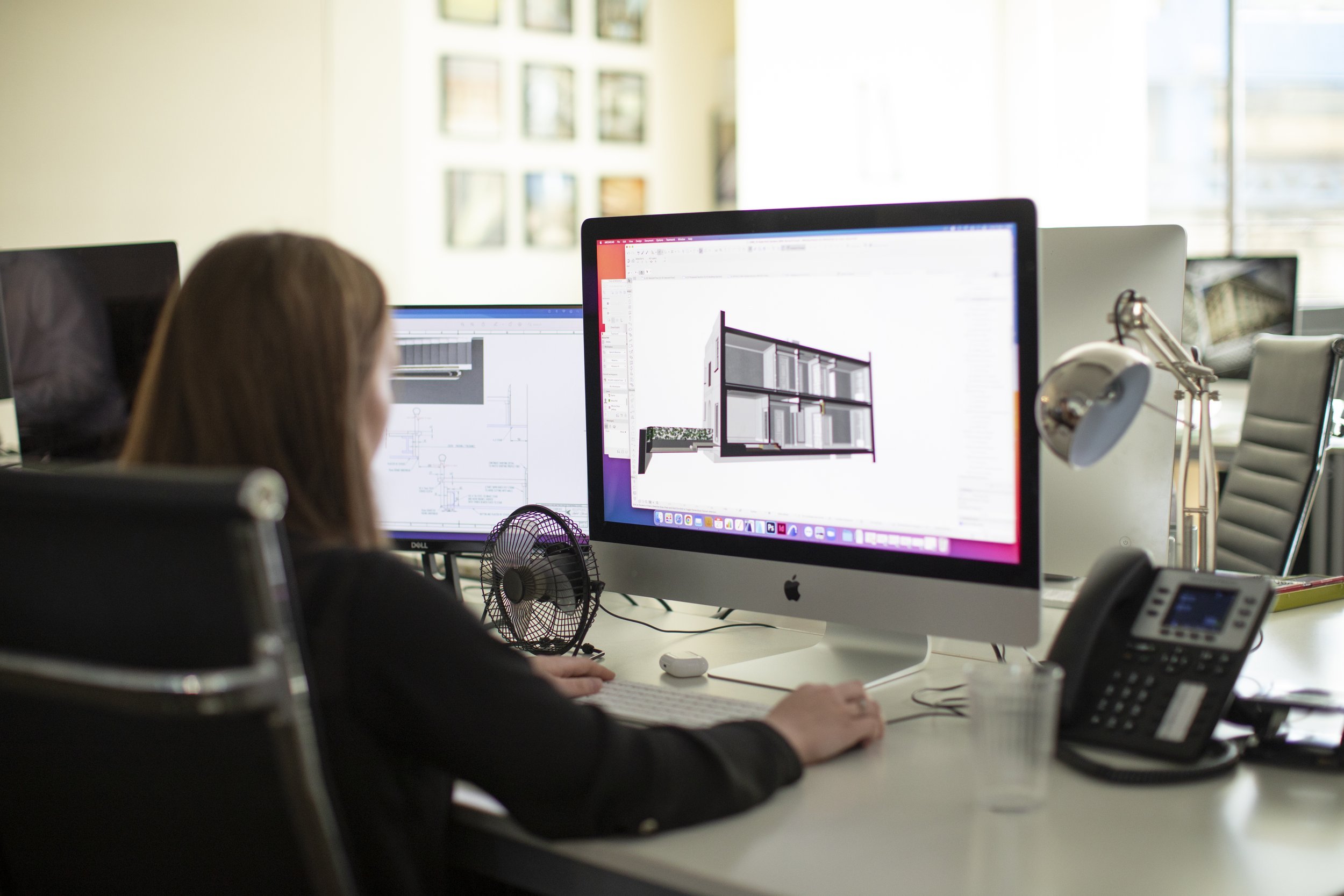
Certain projects may employ a designated design architect who is responsible for the concept of the design. The design architect develops the overall concept, form, layout, aesthetics and design intent of the building or fit-out, focusing on how it will look and feel.
A design architect guides the design through concept, schematic design, and often into developed design, at which point they might either hand the architectural role in its entirety to a delivery architect (2), or remain involved in the project, working alongside an executive architect (3) who has responsibility over the technical coordination, detailing and regulatory compliance. In the second scenario, the design architect remains responsible for the design concept and remains its guardian throughout.
Here at LA London, we have variously acted as design architect, delivery architect and executive architect. On standard residential projects, all three functions would usually fall under our remit.
2. Delivery Architect
A delivery architect takes over the architectural role entirely from the design architect once the concept or developed design stage is complete, seeing it through technical design, coordination, regulatory compliance, and construction delivery.
In this scenario, the delivery architect becomes the architectural design lead and sole decision-maker, taking on responsibility for interpreting and, where necessary, developing the design. They are not accountable to the design architect and must balance design aspirations with buildability, programme, cost, and risk.
This approach is often used where budget, procurement, schedule or risk management priorities favour a single architect responsible for delivery.
Recognised for the quality and completeness of our technical design information, LA London are regularly asked to act as delivery architect for both residential and commercial projects that would benefit from our expertise.
3. Executive Architect
An executive architect is responsible for the technical delivery of a design while the design architect remains the guardian of the design intent.
In this model, the design architect continues to lead on concept, aesthetics, and architectural vision, while the executive architect develops the design into fully coordinated, buildable technical information.
The executive architect also ensures compliance with Building Regulations, fire safety requirements, and other statutory obligations, and coordinates closely with contractors and consultants. They work in support of the design architect, translating the design intent into construction-ready information without redefining it.
This approach is common on complex or design-led projects where continuity of design authorship is important.
4. Interior Architect
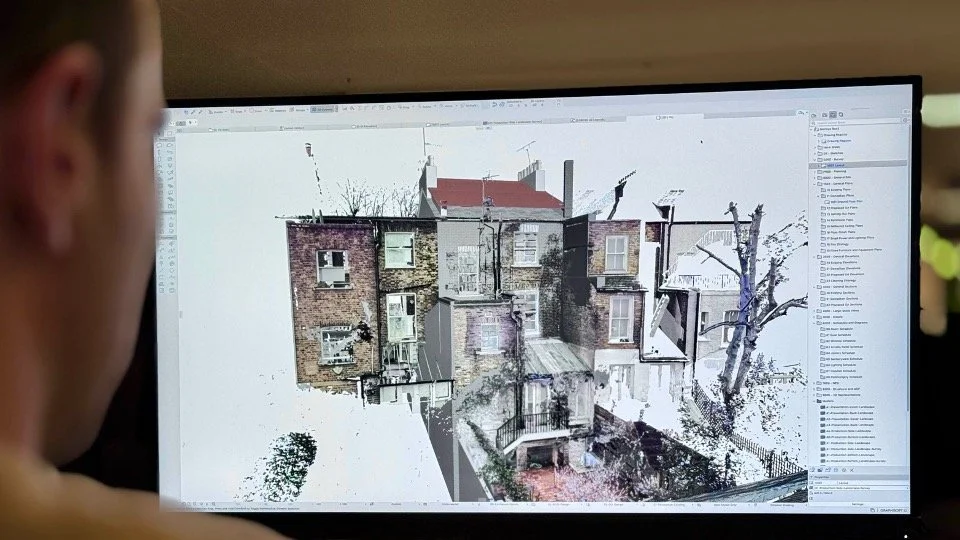
An interior architect sits between an architect and an interior designer, typically dealing with layout and spatial planning rather than finishes, furnishing and decorative elements.
Interior architects are often responsible for:
● Internal spatial planning and reconfiguration
● Detailed design of fixed features like stairs, partitions, bathrooms, kitchens, and joinery
● Coordination of interior layouts with structure, services, and fire strategy
They may also take responsibility for aspects of Building Regulations compliance that fall within the scope of the interior, such as fire safety and acoustics, but for this they will need to have architectural training.
While LA London does not offer interior design services, we often act as interior architects on fit-out projects.

5. Design Lead
The design lead is responsible for protecting the overall design intent of a project, including spatial strategy, aesthetic direction and material language. They are the design authority, defining what the project should be and guiding those responsible for its delivery – such as the executive or delivery architect.
Not a profession in its own right, the role of design lead is typically held by the design architect on an architecture-led project, or the interior designer or interior architect on an interior refurbishment or fit-out.
6. Lead Designer
A role usually held by the architect on a standard residential project, the lead designer is responsible for coordinating the disciplines involved in the project’s design.
The lead designer role differs from the design lead in that they are not leading the design, but the designers, and coordinating all their outputs. They will ensure that architectural, structural, services, landscape, and specialist designs work together coherently and often act as the main design team interface with the client.

7. Lead Consultant
The lead consultant coordinates members of the consultant team on a project. They manage workflow and client communications for consultants such as architects, engineers, quantity surveyors and specialists. The lead consultant ensures the team works effectively by organising meetings, coordinating appointments and reporting on progress.
The role of lead consultant overlaps significantly with the project manager (8), who focuses on the programme/schedule and budget. Depending on the nature of the project, it’s a role that could be held by either the architect or a dedicated project manager.
8. Project Manager

The project manager manages the project delivery process on behalf of the client, ensuring work remains on time and within budget. Their responsibilities include budget tracking, schedule management, reporting, and risk management. They can also administer contracts (see contract administrator, 9), advise on procurement routes, and coordinate between designers and contractors during delivery.
The project manager is typically a distinct profession, although LA London offers project management services for smaller projects where there is a substantial overlap with other roles.
9. Contract Administrator
The contract administrator is appointed by the client to administer the building contract during the construction phase, typically under traditional procurement routes (e.g. JCT Traditional Contract).
Often carried out either the architect or a quantity surveyor, the contract administrator’s role is to act independently and impartially, ensuring the contract is adhered to properly rather than protecting the commercial interests of any party. They advocate neither for the client nor the contractor, and their role is separate from design authorship.
The contract administrator’s responsibilities include:
Issuing contract instructions
Assessing extensions of time
Certifying interim payments
Certifying practical completion and final completion
Managing contractual processes relating to delays, variations, and defects
10. Principal Designer – CDM Regulations
A mandatory role required by law under the 2015 Construction (Design and Management) Regulations, the principal designer is appointed by the client to manage health and safety management during the design (pre-construction) phase. This can continue into construction if further design work is needed.
The CDM principal designer plans, manages and coordinates health and safety in the pre-construction (design) phase of a project where it involves more than one contractor or subcontractor. They ensure design decisions address risks and coordinate communication about health and safety between designers and contractors.
Often a role held by the architect, the principal designer must be actively engaged in the project. External consultants who are not designers should not be acting as the principal designer, according to the regulations.
11. Principal Designer – Building Regulations
The Building Safety Act of 2024 also defines a statutory principal designer role under the Building Regulations. This is separate from the CDM role.
The principal designer for Building Regulations, again often the architect, ensures the design complies with the technical requirements of the Building Regulations and liaises with Building Control. Their primary focus is technical compliance of the design in areas such as fire safety, insulation, structure and accessibility, rather than occupational health and safety during construction.
Discover more from LA London’s architectural explainer series with our A to Z of Architectural Terminology.