8 questions to ask before designing your home
The best residential briefs rarely begin with square footage or room schedules. They begin with understanding how people live, what matters to them and what they want their home to make possible.
Before we commence any residential project, we ask our clients to complete a detailed briefing questionnaire. Refined over many years of experience working on True Prime® homes, this survey contains questions that inform not only our designs, but also the approach we take to the project and the partners we choose to work with.
We ask about how clients use their home, what they want from the project, and how they would like to work with us. It’s only by truly understanding their goals, values and any other parameters that we can be confident in delivering their vision.
To assist anyone planning a residential project and preparing to approach an architect, we have distilled this process into eight crucial questions that are worth answering before the briefing process begins:
1. How do you live now – and how might that change?
Understanding how occupants live day-to-day helps architects to design a space that is tailored to their everyday routines and requirements. The best approach to a project may differ between a client who lives alone and travels for work, for example, and one with young children who combines home-working with time in the office.

It’s therefore useful to think about your weekday routines, what weekends look like, and how often you entertain guests.
It’s also important to think about who will be living in and using your home over the next five to ten years, including members of staff. How likely are you to have long-term guests to stay? Are there any pets at home?
This information guides every aspect of the design and delivery process, informing decisions ranging from the layout and function of rooms to the location of sockets and services.
2. What do you value most about your current home – and others you have lived in?
Knowing what clients love about their current and past homes enables architects to preserve and amplify the elements of the space that give its occupants most pleasure. These might include plenty of natural light, the thoughtful layout of rooms, or specific heritage features like fireplaces, original flooring or decorative details.
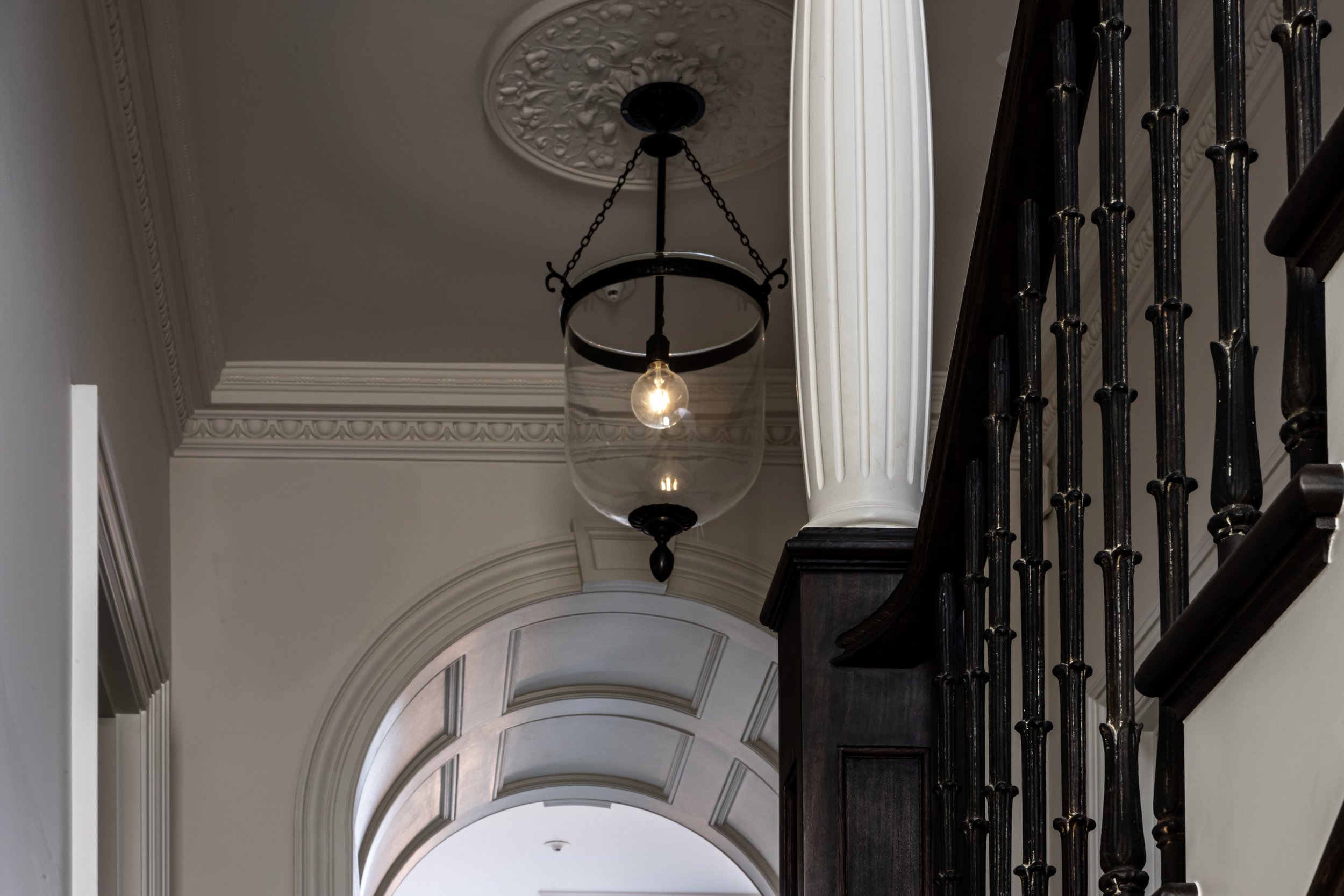
It is a question that also has deeper implications, again providing an insight into your values and priorities. It might reveal a preference for preservation and restoration – or, conversely, for adopting an innovative approach that will adapt for evolving family circumstances and a changing climate.
3. What isn’t working today?
Identifying existing pain points from the outset of a project allows us to eliminate or mitigate these in our earliest designs. Many of us experience irritations or inconveniences in our homes, and it can be easy to overlook these once we become accustomed to them.
Issues within the home may include:
Inadequate privacy between family, guests and staff
Poor arrival sequences
Entertaining spaces that do not work properly
Service circulation crossing principal spaces
Insufficient separation between formal and informal living
Acoustic problems
Inadequate security provision
Artwork and collections - presentation, lighting etc
Secondary kitchens/pantries - arrangement, functionality etc
Insufficient storage
Wellness/leisure facilities
Technology that has become intrusive rather than invisible
Understanding these concerns and experiences, which may not be apparent from a survey or site inspection, allows your architect to devise a strategy for addressing them early on.
4. How would you like your home to feel?
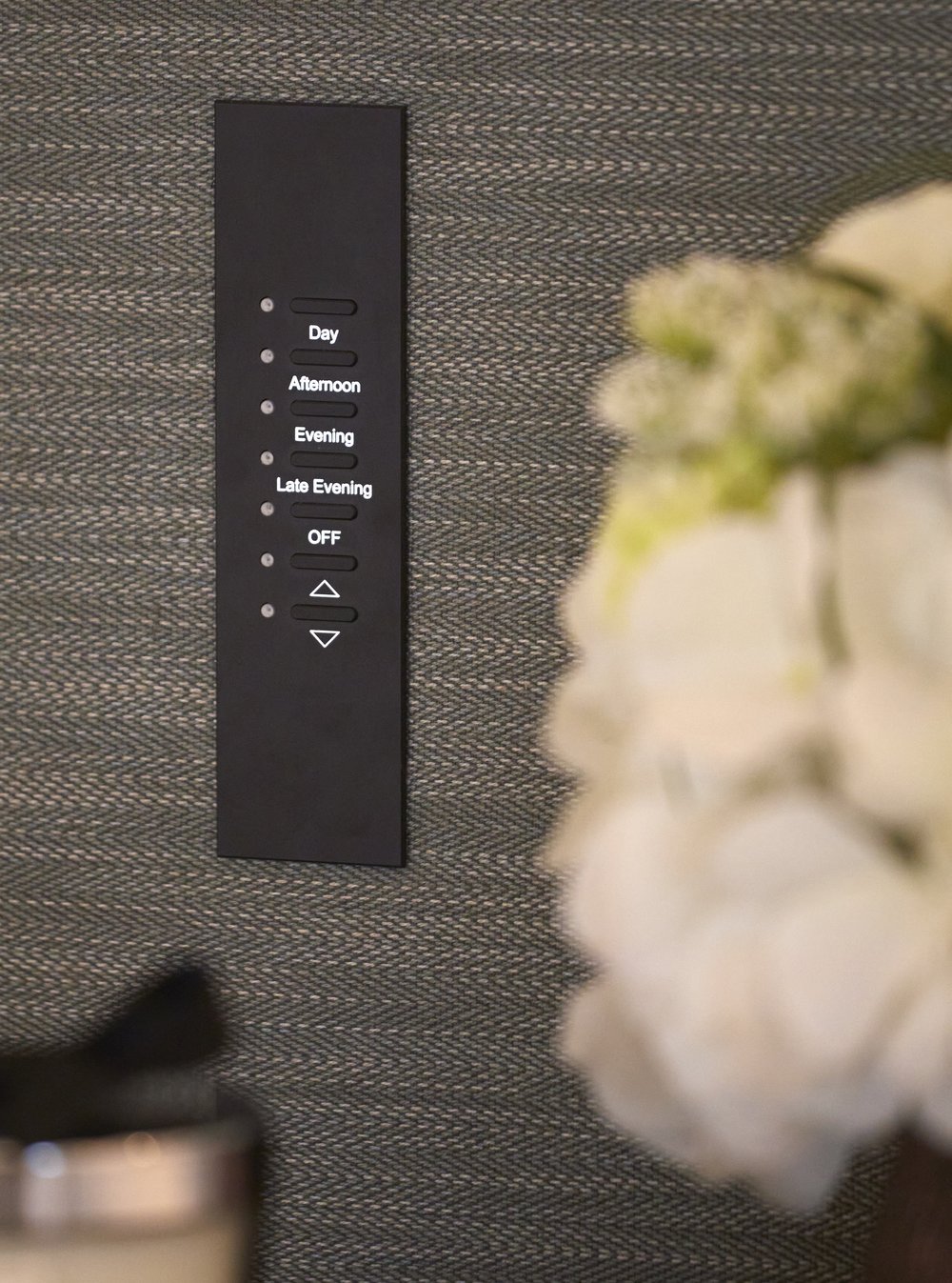
The ‘feel’ of a home may seem a slightly intangible concept, but it’s an essential consideration for us as True Prime® architects. The answer to this question provides a valuable insight into how our clients prefer to experience the place that should support leisure and rest, and enhance health and wellbeing.
Do you want your home to feel warm, natural and timeless? Refined and quietly luxurious? Or minimal and calm? Formal or informal?
Think about different rooms, too: which ones should feel open and light-filled, and which ones enclosed, cosy and intimate? It can also be helpful to consider any materials you’re particularly drawn to.
5. Where should the heart of the home be?
The heart of any home is the place where people naturally congregate. In the past, it was literally the hearth: the fireplace around which occupants would gather for warmth and conversation.
Today, the heart of a home might be the kitchen, the living room, or even a central courtyard or atrium. For solo occupants, it could be a place that invites relaxation or facilitates hobbies: a games room, den or library.

Not every room needs equal prominence. Establishing where daily family life gravitates allows the rest of the house to be arranged around it — including quieter spaces, entertaining rooms and the service spaces that support them.
This becomes particularly important where a home includes staff, extensive entertaining or multiple generations.
Establishing the natural heart of any home – or where you would like it to be – allows your architect to plan layouts, create flow and designate focal points accordingly.
6. Which sustainability values matter most to you?
Sustainability is a major priority for us at LA London, guiding how we operate, who we work with, and which materials we use. LA has a responsibility to bring clients the best available advice and to design intelligently, while understanding that different clients will place different weight on sustainability objectives.
In a True Prime® home, sustainability is not only about operational energy. Longevity matters too: retaining what is valuable, specifying materials that endure, designing adaptable buildings and avoiding short-lived interventions that will simply be replaced.
We therefore try to establish from the outset of a project which sustainability values our clients wish to prioritise. Options include:
Energy-efficiency and lower running costs
Natural and sustainably-sourced materials
Choosing reuse and restoration over building new
Longevity and durability
Reducing construction waste
You may specify ‘all of the above’, which is music to our ears! On the other hand, you may be unsure about which values are most important – and, crucially, achievable. In this case we are always equipped and available to offer guidance.
7. How involved would you like to be in the project, day-to-day?
You may, understandably, enjoy taking a hands-on approach to a project and have a clear idea of what you want from the design and delivery of your new space.
Alternatively, you may prefer to leave most decisions to your architect and other specialist designers, particularly if your project is not your primary residence or if you are using it for commercial purposes. In this case, you could consider appointing a client representative to act on your behalf and answer any questions from the project team.
Understanding which approach you prefer allows us to tailor our communication accordingly. Details we will need to agree with you include:

How much detail you want to receive;
Preferred frequency and format of updates;
Who has decision-making authority;
Whether a client representative/family office will be involved;
Which decisions you want to make personally;
How quickly decisions can realistically be made.
8. What would make you consider the project a success?
Finally, it’s crucial to look ahead to completion and anticipate your ideal outcome for your new home.
At LA London, we have our own criteria for success, of course: delivering a beautiful new home to the standards of True Prime® while remaining on schedule and within budget, and with minimal effort from you, our client.
However, for you, success might include other criteria. It might mean a child who feels comfortable, happy and calm, an elderly relative who can now live independently at home, or the reassurance that your new living space is designed to adapt to our changing climate.
With these criteria foremost in our mind as we progress through the project, we can be confident in delivering your vision.
A successful project is not simply a beautiful building. It is a home that works effortlessly for the people living in it, has been meticulously delivered, and continues to feel right many years after the project team has left.
Browse our portfolio of residential projects, or contact us to discuss your own.