Architects of Change: LA London’s women discuss the industry today
For International Women’s Day this year, we’re reflecting on the challenges and opportunities for women in architecture today.
As a rare female-majority practice, led by a senior team including partner Kathryn Archer and associate Megan Burrows, we strive to offer inclusivity and opportunities in what can still be a male-dominated world. We also recognise the need for ongoing work to address entrenched discrimination, particularly on site.
Kathryn and Megan sat down with architects Ema Benzar and Alicia Pell, and architectural assistants Pearl James, Mai Smith and Angelika Kuczynska-Hajdasz, to discuss their experiences – and the changes Kathryn has seen for women in architecture over the last 30 years.
The importance of representation
Kathryn reflects on positive changes she has seen over her more than three decades with LA London, formerly Lees Associates, noting how the firm has long set the standard for gender equality: “We’ve always been more or less 50/50 women,” she says, “And we’re even more than that now.”
Pearl James observes that a firm’s awareness of inclusivity can be just as important as the statistics: “If a practice is conscious that they want to have a more represented split, and that intention is there, that's really good in terms of supporting us in the industry and our careers.”
Qualification and career longevity
Kathryn points out that more female employees are now staying on to qualify with LA London, bucking a trend reported in the Architects Journal in 2022 that showed women only make up 30% of qualified architects, compared with around 50% of architecture students. This report cites sexism and elitism among the reasons women choose to leave architecture.
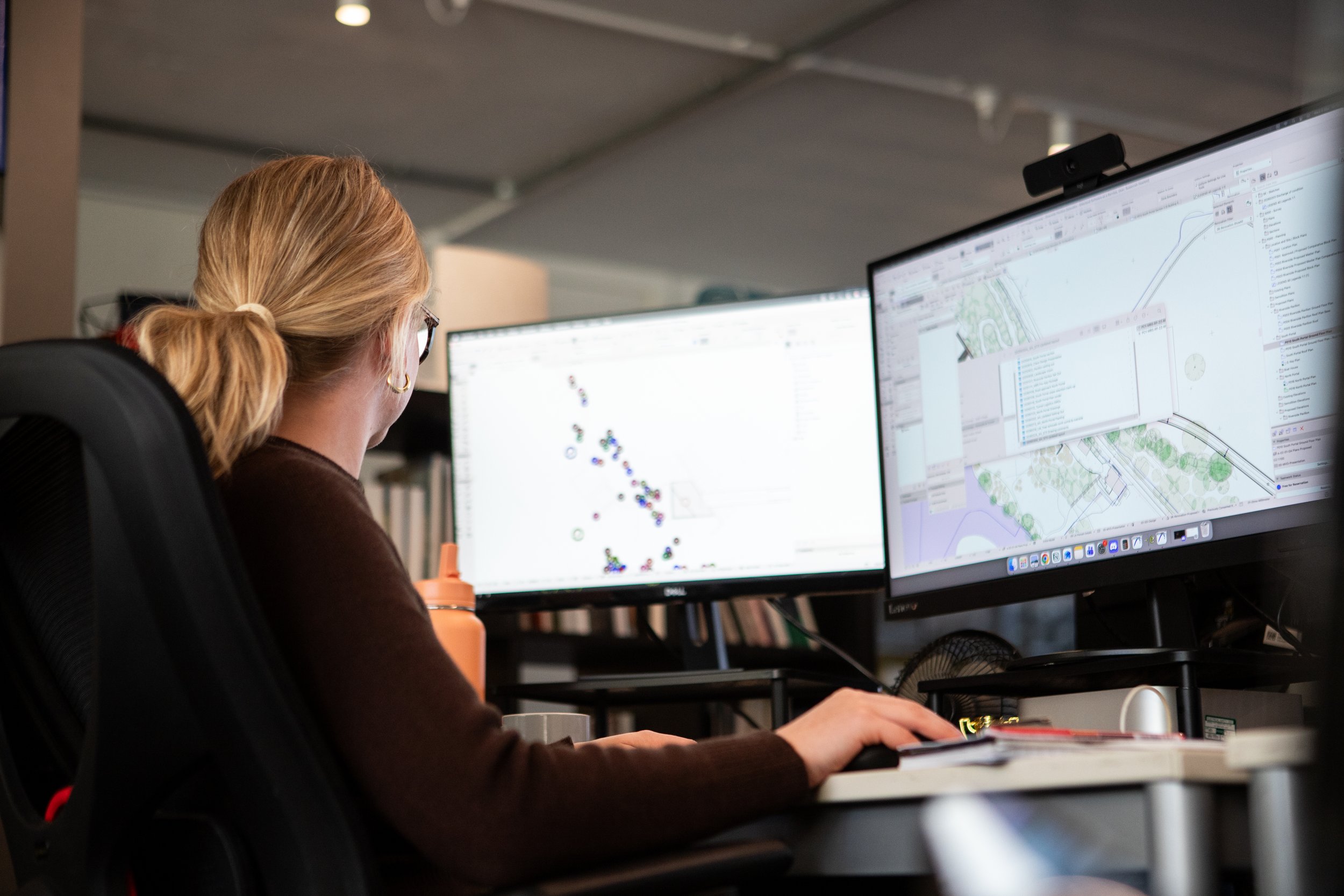
In the past, LA London also saw a higher attrition rate, with women often leaving the firm after becoming pregnant or moving home to be closer to family for childcare. Over the last year alone, we’ve been proud to celebrate Ema’s qualification as a chartered and registered architect, and to promote senior architectural technologist Megan to an associate after she also achieved chartership. Mai, Pearl and Angelika are all currently studying for their Part 3 exams so we anticipate that our practice will be able to boast another three qualified female architects very soon.
Encountering roadblocks and the glass ceiling
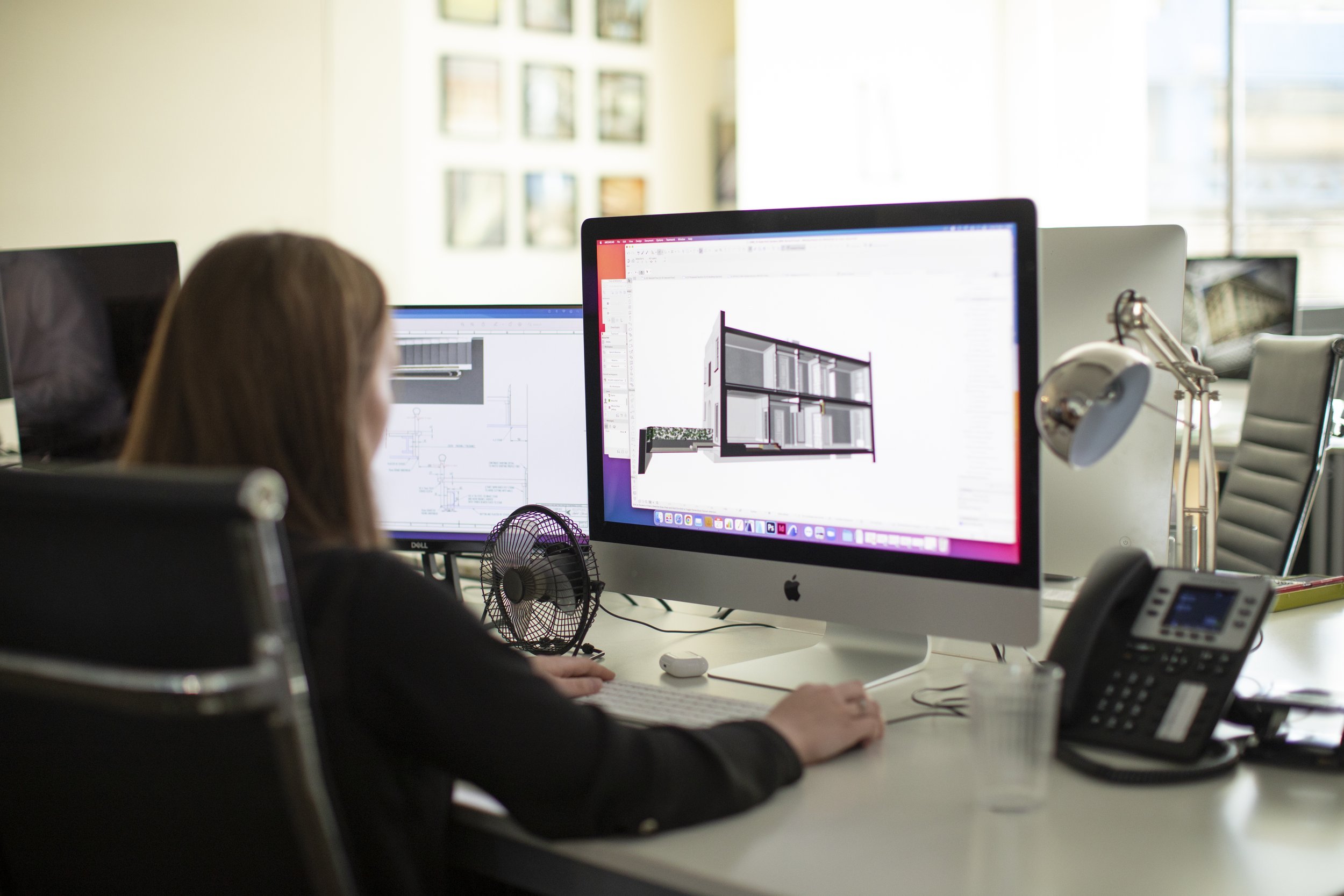
Cultural differences can influence attitudes to women in architecture, with Kathryn citing countries like Spain, where the role of architect is considered more female, with men typically taking on engineering and construction roles.
However, Angelika also shared her dispiriting experience as a trainee architect at a firm in Poland, where she witnessed deliberate roadblocks put in place by male partners to prevent female assistants from qualifying.
These senior team members refused to sign relevant forms or allow female staff to gain the necessary experience, which led to women leaving architecture altogether: “I have friends who just started looking at other careers, because they feel burned out,” Angelika says, “That's mainly because of men in higher positions, so there’s still a perception that we need to try to break the glass ceiling.”
Positive changes
A photograph of Kathryn as part of the team refurbishing and extending the Savoy Hotel in the 1990s gives a vivid impression of the gender imbalance in architecture and construction at the time:
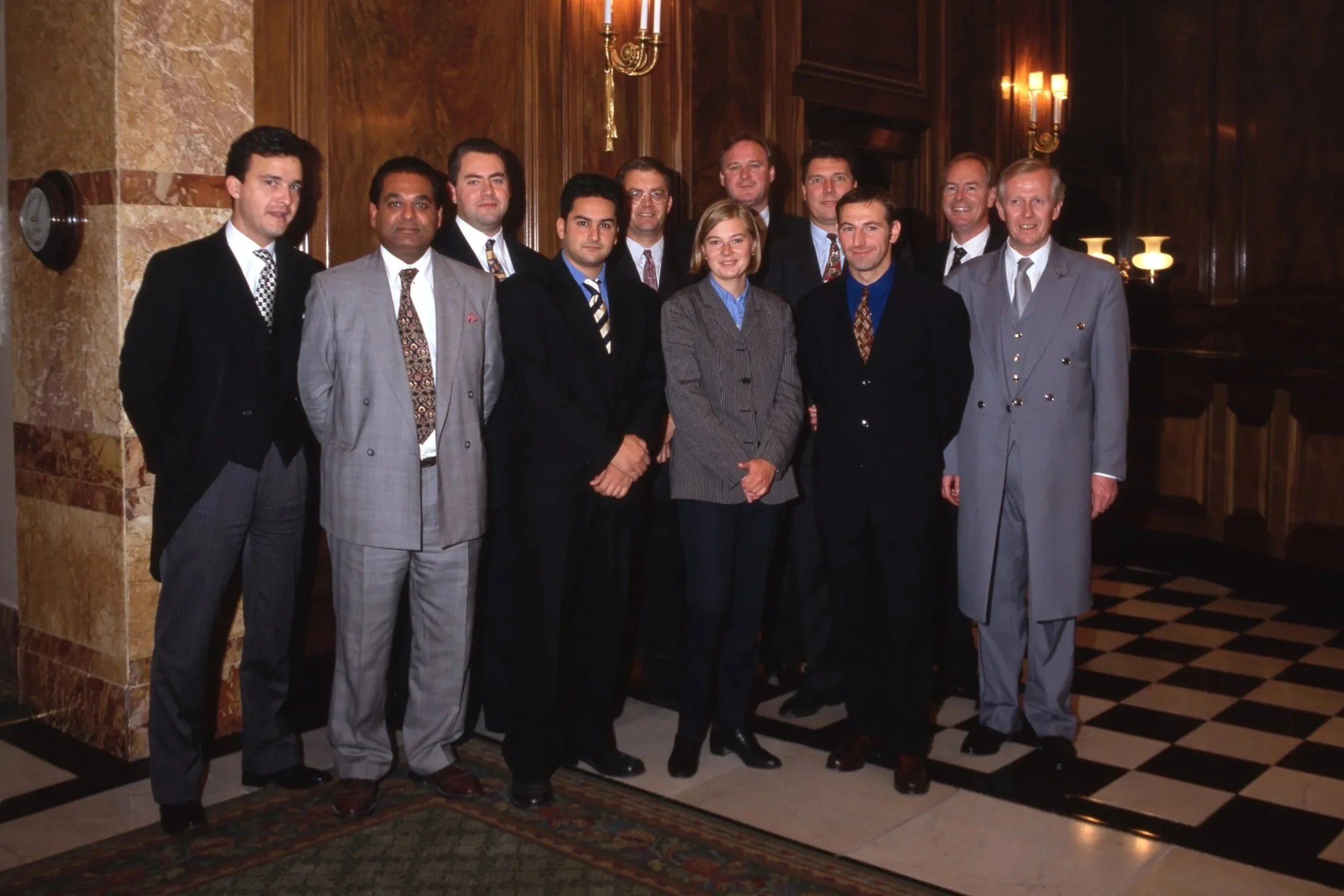
Kathryn recalls a status quo that seems shocking today: “Suppliers of building materials would give out nude calendars as presents to their clients – the contractors,” she says – meaning early site huts were lined with pin-up photographs and page three girls. When Kathryn appeared on site as a rare female architect, she would receive sheepish apologies.
The team agreed that it has been a welcome change to see more female contractors now on site, taking on traditionally ‘male’ roles including plumbing, plastering and site management. Attitudes have also improved: “Site teams are becoming more professional and more thoughtful about sexism and how they treat women,” Kathryn says. Whereas in the days of the nude calendars, site managers would often treat female architects with derision and suspicion, they now appreciate the particular skills that female team members can bring to a project.
Dealing with male-dominated environments

It’s still the case, however, that some sites are heavily dominated by men, which can make it hard for female architects to make their voices heard.
Megan acknowledges the need to be assertive: “You need to be able to stand up for yourself when some contractors try to push you into hasty decisions.” She also says that leading site meetings has improved her confidence.
Pearl agrees that she has had to learn to impose boundaries and assert herself, suppressing her natural instinct to be helpful all the time and make sure that she takes the necessary time to assess issues, rather than being pushed to make immediate decisions.
Owning our identity
Angelika recalls an inspiring female mentor, a professor of construction at university in Poland, who encouraged her students to own their identity as architects on site in a very visual way: “In Poland, the colour of your hard hat represents your role – so black is for the architect, white is for the engineer, and yellow is for the contractors. Our professor told us to make sure we wore a black hard hat and high-vis with ‘architect’ boldly displayed on the back, and to make ourselves very loud from the very beginning, so the other people on site didn’t walk over us. This was only in our second year as undergrads!”
The value of diverse approaches
The team discusses the particular skills women bring to projects, with Pearl observing the value of having diverse personalities and energies on site. Kathryn agrees, praising a female site manager who is very detail-oriented, particularly on residential projects. “She really does think of the client’s needs and is more willing to get involved in the details of the project, which others might not bother about in the same way,” Kathryn says.
“Women are better at being annoying because we do it in a nicer way!”
Women’s finely tuned interpersonal skills can also come into play when they need to chase contractors or suppliers to keep a project on track: “Women are better at being annoying because we do it in a nicer way,” Kathryn says.

Looking ahead
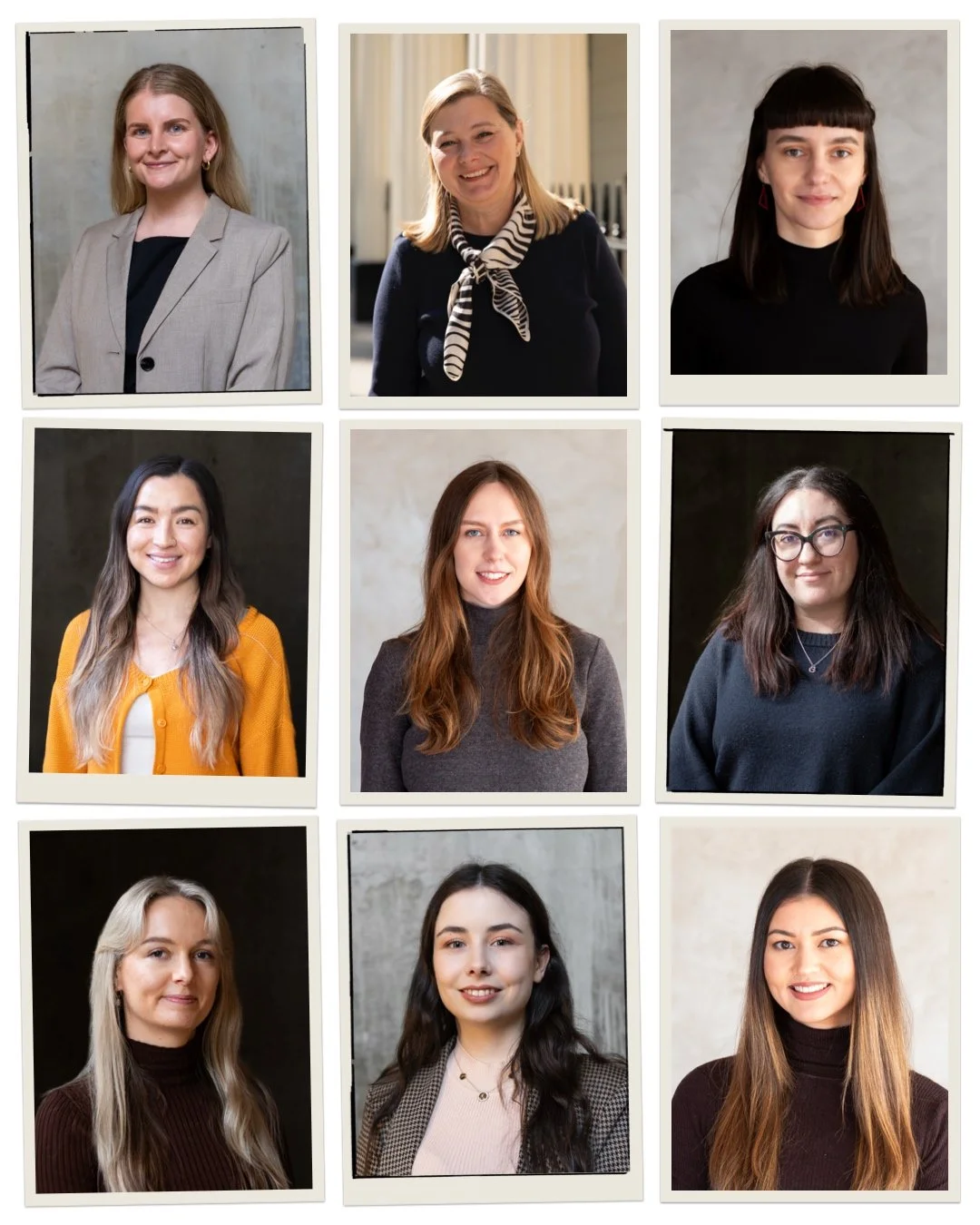
Some of the LA London Ladies
Significant challenges remain for women in architecture, particularly in terms of entrenched prejudices and sexism both on site and in the office, which can, sadly, lead to a higher attrition rate pre-qualification.
Here at LA London, we remain committed to supporting all our staff at every stage of their careers, and we strive to attract and cultivate a highly diverse and inclusive workforce. Thankfully, we’re not alone, and the wider industry appears to be taking positive steps to become more inclusive. Our team agreed there is positive change afoot, as Kathryn concludes: “You can feel the shift. I feel it's an exponential curve, and it's getting faster and faster and faster.”