

A Day in the Life of… Megan Burrows

In the latest installment of our series exploring a typical day in the life of an LA London team member, we meet Senior Architectural Technologist Megan Burrows, who joined the team in 2020. Originally from New Zealand, Megan obtained a National Diploma of Architectural Technology from Toi Ohomai Institute of Technology and previously worked as an architectural technician at ACD Architecture and NetZero Buildings. At LA London, she works on a number of prime residential projects and leads the development of our Standard Details Library, a long-term initiative to streamline and standardise Stage 4 technical details.
My mornings begin around 6am with a short walk to the gym near my home. I aim to train 4–5 times a week, focusing primarily on weight training. After about 45 minutes, I head back home for breakfast and to get ready for the day ahead. I’m not much of a coffee drinker, so exercising in the morning helps keep me alert and energised throughout the day.

At 8:20, I begin my 40-minute walk to work. It’s a walk I genuinely enjoy – it takes me past the Sky Garden, over London Bridge, and through Borough Market, while the stalls are still being set up and the market is calm. I usually listen to music or use the time to call my parents in New Zealand.
Once I arrive at the office, I make myself a lemon and ginger tea and start sorting through emails. On any given day, I typically juggle 2–3 projects, though this can increase to 4-5 depending on upcoming deadlines and priorities.
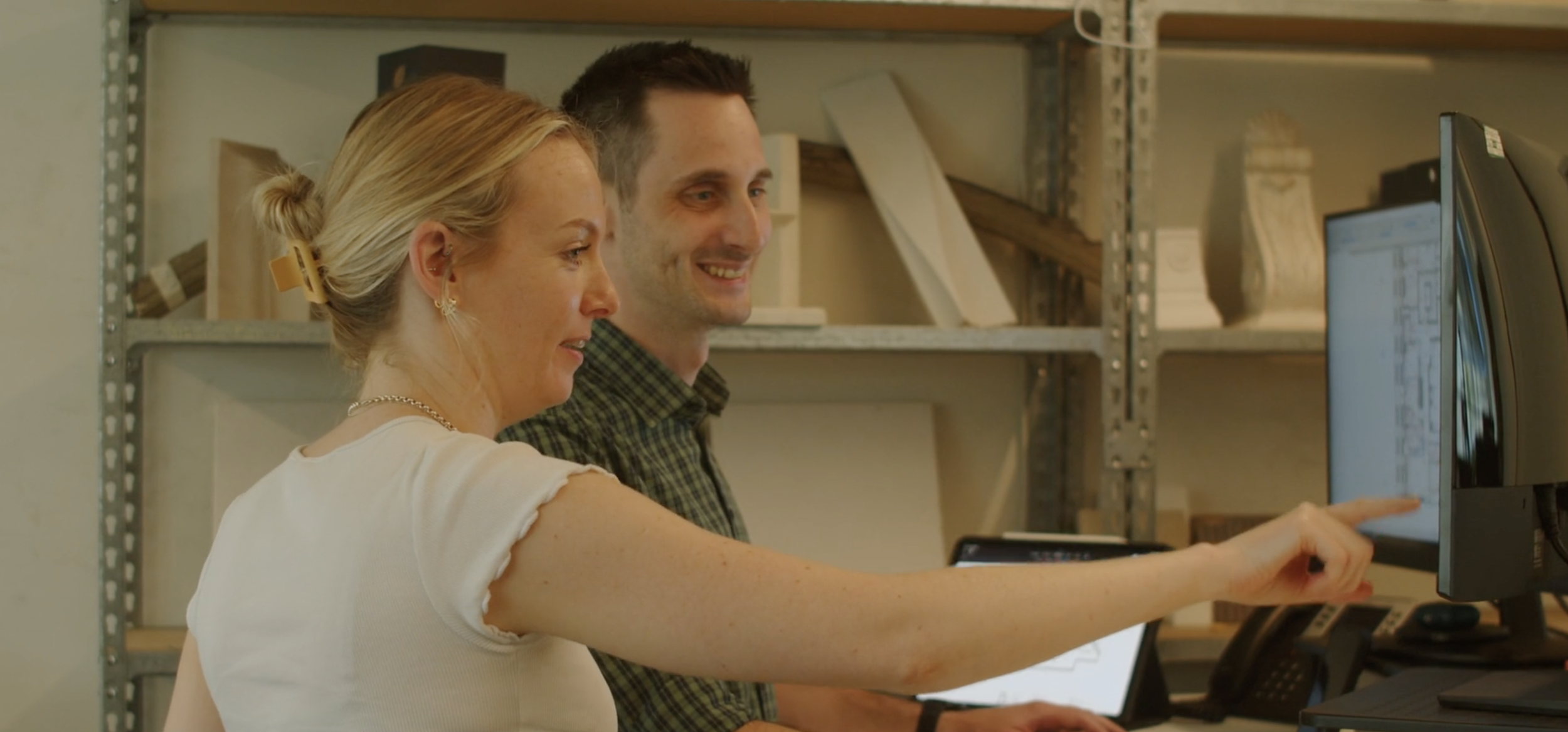
This morning, I focus on the tender package for a new Coach House project located near the castle used to film Downton Abbey – a personal favourite. My responsibilities include producing technical drawings in Archicad and compiling the NBS specification. As part of the project team, we begin the day with a quick catch-up to review tasks using Notion, our project management tool. Throughout the tender stage, we regularly have informal discussions to work through technical details and ensure alignment with the approved planning drawings. It’s been a truly collaborative project and a nice variation to our more typical refurbishments.
“Seeing the project finished and the clients happily moved in has been incredibly rewarding.”
Late morning, I head to site for snagging on a recently completed project in Little Venice. The mid-19th-century home overlooks Regent’s Canal and underwent a full renovation beginning in October 2022. The works included a full strip-out, the addition of a basement, and converting the attic into a children’s play area, resulting in a beautiful 5½-storey family home. It was my first project as project lead and I saw it through from planning to completion. Seeing it finished and the clients happily moved in has been incredibly rewarding.
To complete the snagging report, I use Archisnapper – an app that lets me upload descriptions with annotated photos and automatically generates a formatted report that needs minimal editing. Once complete, I send this off to the contractor to make the necessary amendments.
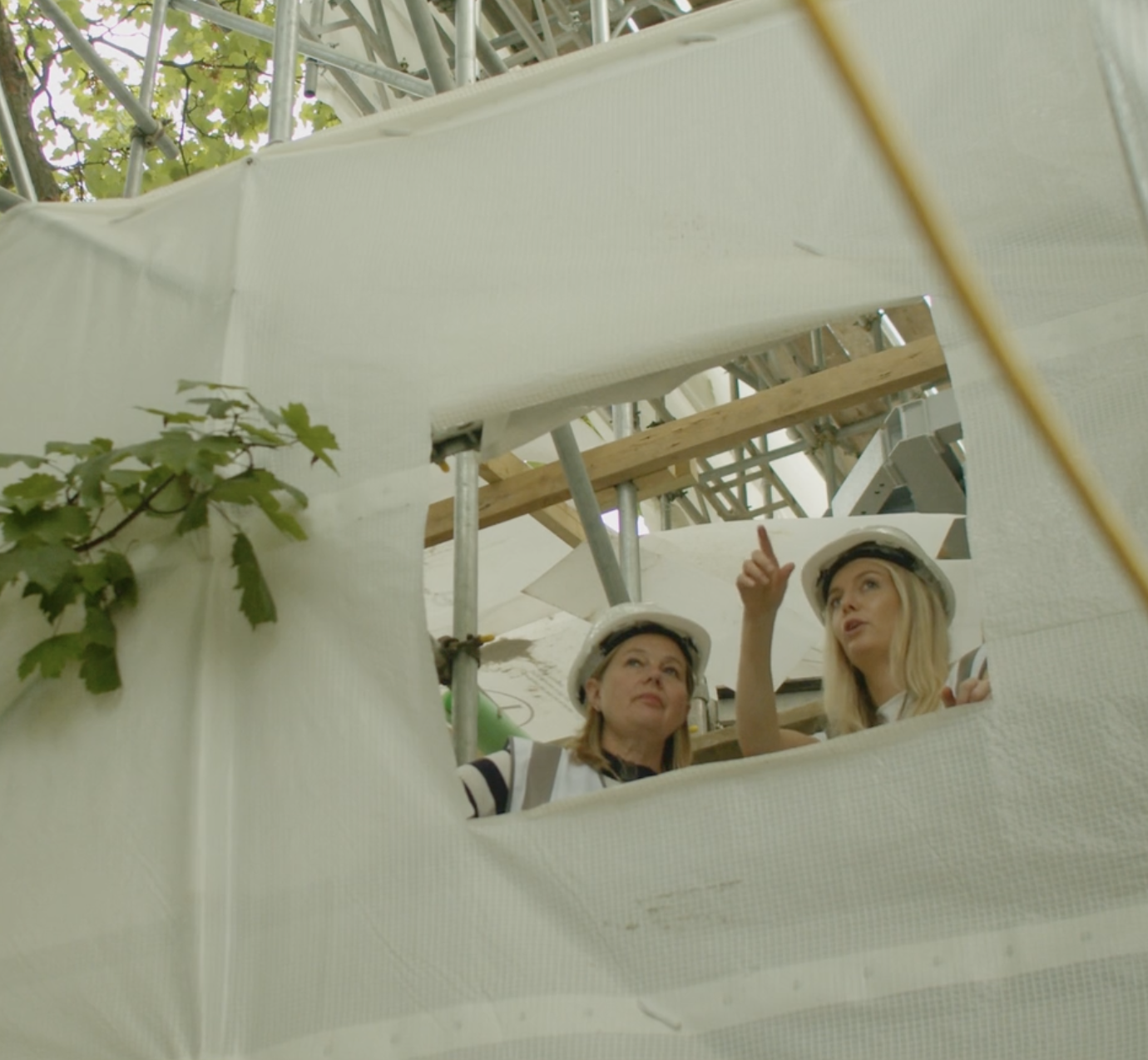
I break briefly for lunch, which I usually meal prep at home, and then check in on the progress of the summer house being built in the property’s garden. This space includes a small pool, a bar, a bathroom, and a two-storey plant room. Its external design echoes the classical architectural style of the main house. The project is scheduled for completion in August 2026, so I’ll continue site visits every two weeks to monitor progress and meet with the contractor and design team.
A key design challenge on the summer house project was the mature plum tree located in close proximity to the building. Nearly half of the structure lay within the tree’s root protection zone, which restricted the use of traditional foundation methods. To prevent root disturbance, we collaborated with the structural engineer to develop a mini-pile foundation system that effectively suspended the building above ground. This approach created a void between the ground level and the slab, allowing for soil movement and providing a convenient space for service runs.
In coordination with the pool mechanical engineer, the original plan was to route ventilation beneath the slab and connect it to floor-mounted grilles within the pool area. However, as ventilation requirements increased, the ductwork was redesigned to run between the roof joists. To accommodate this, we adjusted ceiling levels and introduced coffered details, allowing discreet integration of ventilation slots while maintaining the architectural intent.
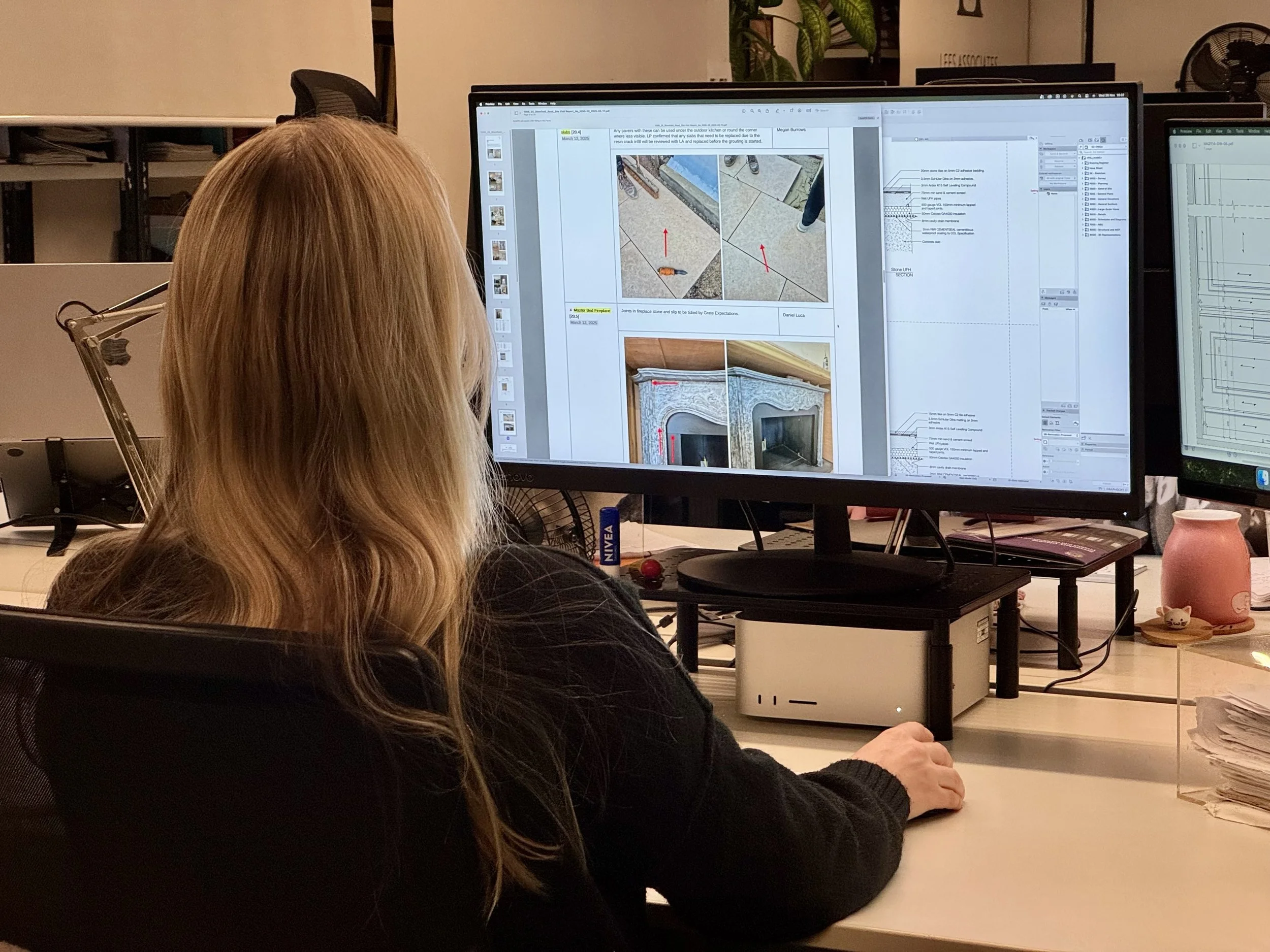
Back at the office, I respond to emails and finalise any adjustments to the snagging report before issuing. For my afternoon snack, I whip up my infamous combo – salt and vinegar rice cakes with Marmite and cottage cheese on top, with fruit on the side!
I then turn to the Standard Details Library – a long-term initiative I’ve been developing as my role as Technical Director / Senior Technologist. The library is designed to streamline and standardise the Stage 4 technical details we produce across all projects. It includes wall, floor, and ceiling build-ups, as well as windows, doors, shower tray and roof details. I ensure the content stays up to date with the latest Building Regulations and manufacturer specifications. I also regularly assist colleagues by reviewing and advising on their technical details and queries.
After work, I either walk home, attend a networking event, or catch up with friends over dinner.
On weekends, I love to travel or spend time with mates. Living in London has made it incredibly easy to explore Europe, even if just for a long weekend.