

The Future Homes Standard: What It Means for Prime Residential New Build
The UK’s Future Homes Standard (FHS) marks a decisive shift in how new homes are designed and delivered. For prime residential projects, it is not simply a compliance exercise—it fundamentally reshapes how performance, technology and design quality are integrated from the outset.
For clients operating at the top end of the market, the implications are significant—but, in many respects, this is a direction of travel that leading projects are already aligned with.
A step change in performance expectations
At its core, the Future Homes Standard requires new homes to achieve a substantial reduction in operational carbon emissions—targeting 75–80% lower emissions compared to pre-2021 standards.
In practical terms, this means:
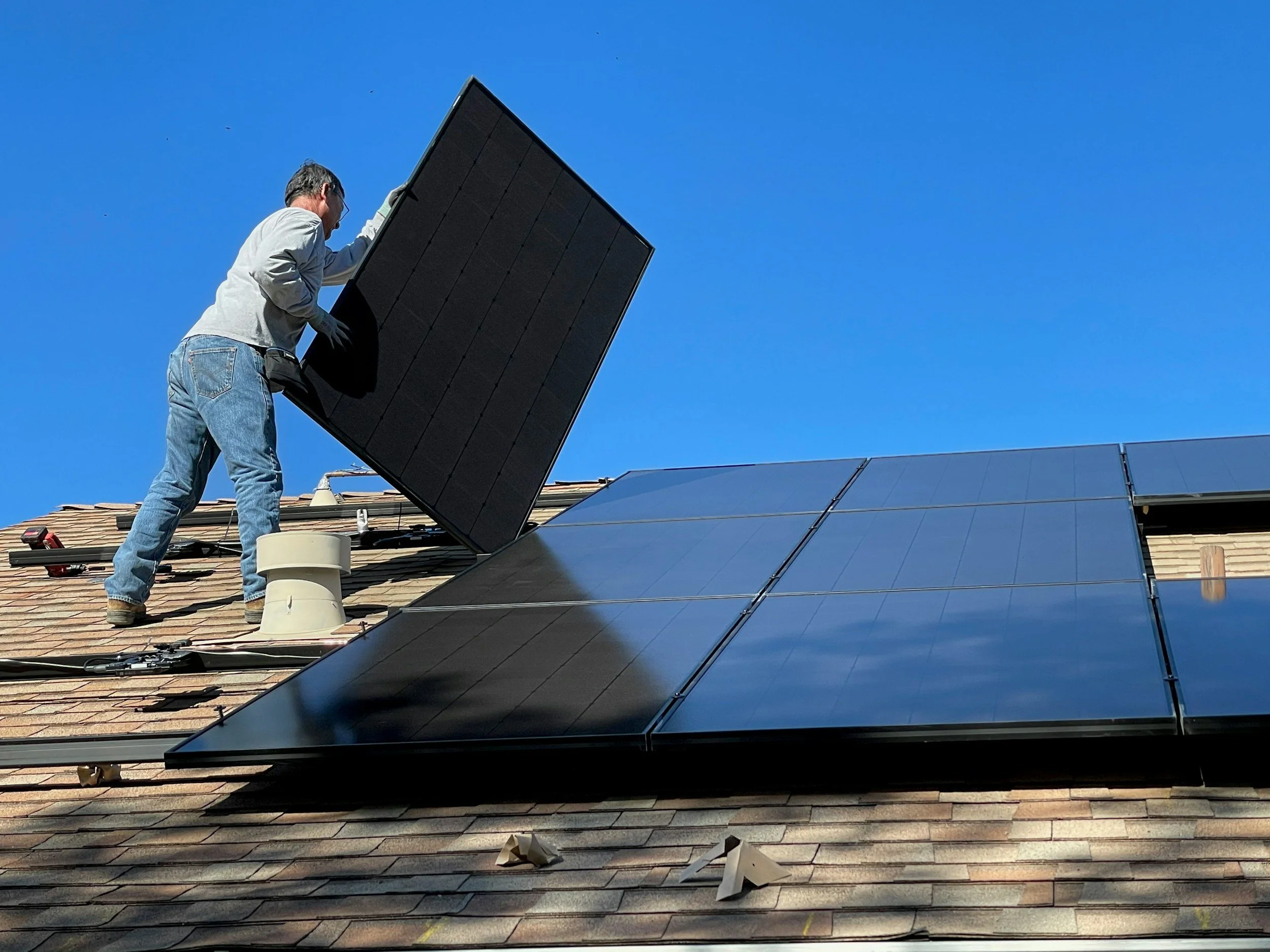
A move to fully electrified homes
A fabric-first approach with significantly improved thermal performance
Greater reliance on low-carbon technologies, particularly heat pumps
Increased emphasis on measured, in-use performance
While this raises the technical baseline, it also reinforces a broader shift: buildings must now be designed as integrated systems, rather than assemblies of independent components.
Heating, plant and spatial planning
The most visible change is the removal of gas as a default heating source. Systems such as air source heat pumps become the norm, bringing with them specific spatial and coordination requirements:
External units must be carefully located to address acoustic, visual and planning constraints
Internal layouts must accommodate plant, cylinders and distribution systems
Early coordination with planning authorities becomes more important, particularly in sensitive contexts
On prime residential schemes—often constrained sites, listed buildings or conservation areas—this is not a trivial adjustment. It requires considered integration from the earliest design stages, rather than retrofitting solutions later
Fabric performance and technical rigour
Alongside new heating strategies, the FHS significantly tightens requirements under Building Regulations Part L.
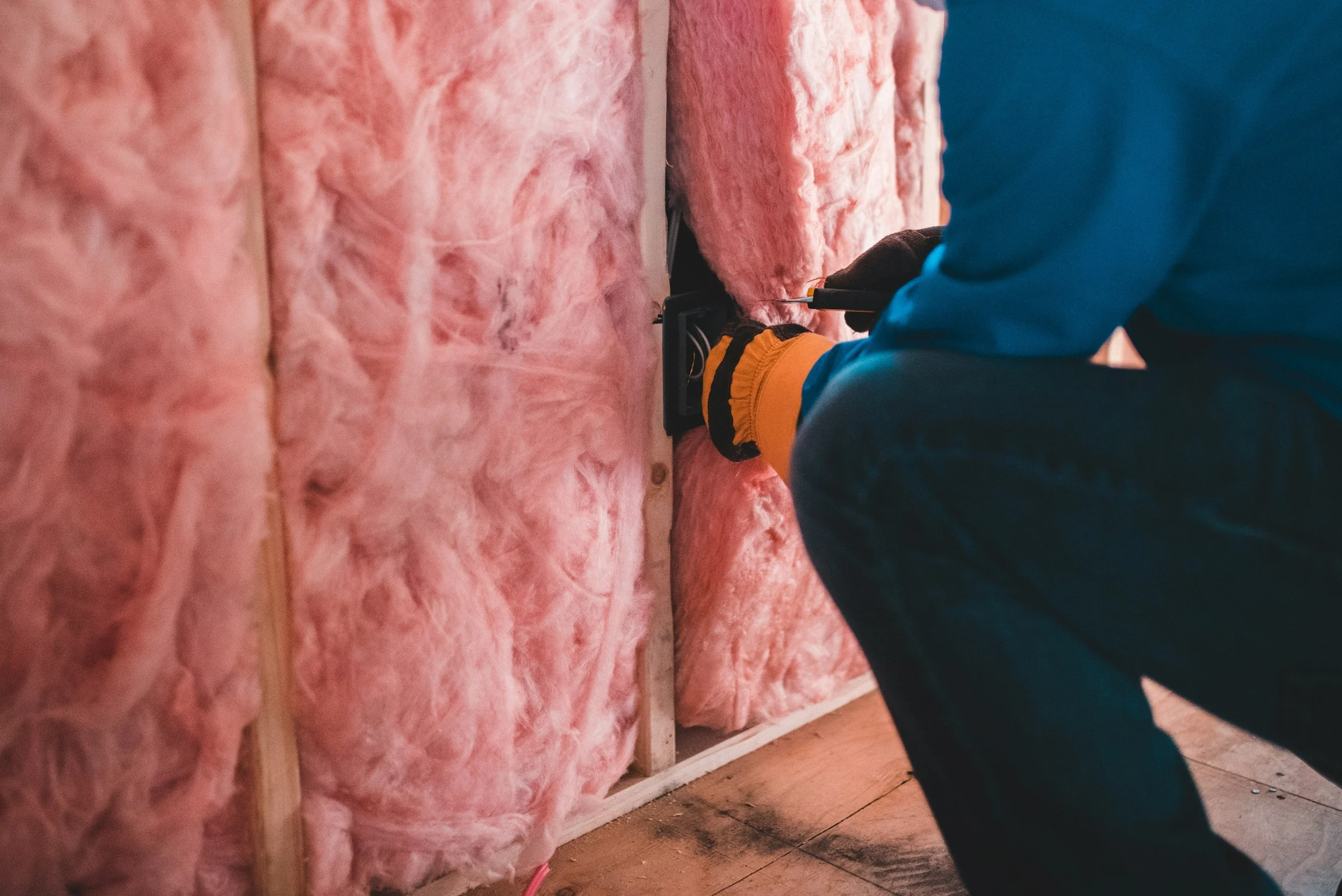
This places renewed emphasis on:
Airtightness and continuity of insulation
Careful management of thermal bridging
Robust detailing at interfaces and junctions
For high-end projects, this aligns closely with an existing focus on quality. However, the margin for error is reduced. Achieving compliance—and, more importantly, delivering buildings that perform as intended—requires greater technical precision and coordination across the entire design team.
Ventilation, comfort and the risk of overheating
As buildings become more airtight, mechanical ventilation with heat recovery (MVHR) becomes increasingly standard. At the same time, the introduction of Building Regulations Part O means overheating risk must be addressed in parallel. For prime residential design, this creates a careful balance: Large areas of glazing must be considered alongside solar gain and shading strategies Internal comfort must be achieved without compromising architectural intent Services integration becomes a key design driver, not a secondary consideration

Planning and heritage: a critical interface
In central London and other sensitive contexts, there is an ongoing tension between:
Planning and heritage constraints, and
The requirements of the Future Homes Standard
External plant, façade performance and ventilation strategies can all introduce challenges.
In practice, successful outcomes depend on early, well-informed engagement—with design, planning and engineering strategies developed in tandem, rather than sequentially.
Delivery: from design intent to built performance
Perhaps the most important shift is not technical, but procedural.
The Future Homes Standard increases the importance of:
Early-stage technical definition
Close collaboration between architect, engineer and contractor
Rigorous oversight through construction to ensure as-built performance matches design intent
This aligns with a broader industry move toward accountability for performance, rather than reliance on notional compliance.

Where this sits with LA London
For many practices, the Future Homes Standard represents a step change. For LA London, it is largely an extension of an approach already embedded in how projects are delivered.
Our work has long prioritised:
Fabric-first design principles, integrated from concept stage
Careful coordination of building services within the architectural strategy
A delivery-led approach that protects design quality through to completion
Through LA Surveys, we also bring a high level of accuracy and insight into existing conditions—supporting more informed design decisions, particularly where new build projects interface with complex sites or retained structures.
Crucially, our role is not simply to respond to regulatory change, but to orchestrate the entire process—ensuring that sustainability, performance and design quality are aligned, rather than competing priorities.
A natural evolution for prime residential design
The Future Homes Standard raises expectations across the industry. In the prime residential sector, it also reinforces a direction that is already well established:
Clients expect high-performing, future-proofed homes
Design teams must deliver technical excellence alongside architectural quality
Successful projects depend on early clarity and disciplined delivery
Rather than constraining design, the FHS provides a clearer framework within which genuinely high-quality homes can be realised.
For those already operating at this level, it is not a disruption—but a consolidation of best practice.